Most people know that carpets need cleaning — but what does that actually mean in practice? There's a gap between knowing "I should vacuum more" and understanding why consistent care matters, what it accomplishes, and how to make it sustainable in a busy household. This guide tries to close that gap.
It's worth noting upfront: this isn't about keeping carpets looking showroom-perfect, which is an unrealistic standard for anyone actually living in their home. It's about making reasonable choices that preserve your carpet's appearance and function over time, and that keep your indoor environment healthier along the way.
Why Carpet Care Matters More Than It Looks Like It Does
Carpet functions as a filter. Every day, dust, pollen, pet dander, skin cells, and outdoor pollutants fall to the floor or get tracked in — and a significant portion of it ends up trapped in carpet fibers rather than circulating in the air. That's actually a good thing in the short term: it means less airborne particulate matter. But it also means the carpet gradually fills up, and at some point it stops filtering and starts releasing what it's collected.
The visible signs — dulling, matting, discoloration — usually lag behind the actual buildup. By the time a carpet looks noticeably dirty, it's been carrying significant contamination for a while. This is why waiting until carpets look bad before cleaning them isn't really a maintenance strategy; it's a recovery strategy.
In South Florida's climate, there's another factor: humidity. Damp conditions allow dust mites to thrive in carpet fibers, and mold can develop in carpet padding if moisture gets in and doesn't dry fully. Neither of these is visible to the eye, but both affect indoor air quality and can cause problems for people with respiratory sensitivities.
Vacuuming: The Foundation of Carpet Care
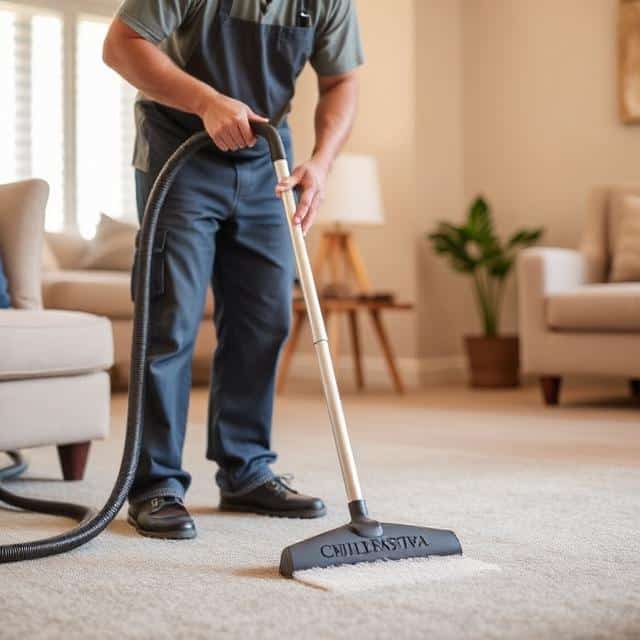
Consistent vacuuming is the single most impactful thing you can do for your carpet between professional cleanings. It removes loose soil before it gets compressed into the fibers, where it becomes much harder to extract. The general recommendation is once a week for normal household use, and two to three times a week in high-traffic areas or homes with pets and children.
A few things that make vacuuming more effective:
- Vacuum slowly. A single slow pass does more than two or three quick ones, because the suction has time to pull material up from deeper in the pile.
- Overlap your passes. Going over the same area from multiple directions picks up more material.
- Don't skip edges and corners. Dust accumulates heavily along baseboards and in corners, and most vacuum heads can get close with the right attachment.
- Change direction periodically. Vacuuming in the same direction repeatedly can gradually push fibers to one side and cause uneven wear.
- Check and empty your vacuum filter and bag regularly. A full or clogged vacuum works significantly less effectively — the suction drops off before it feels noticeably different.
Addressing Spills Quickly
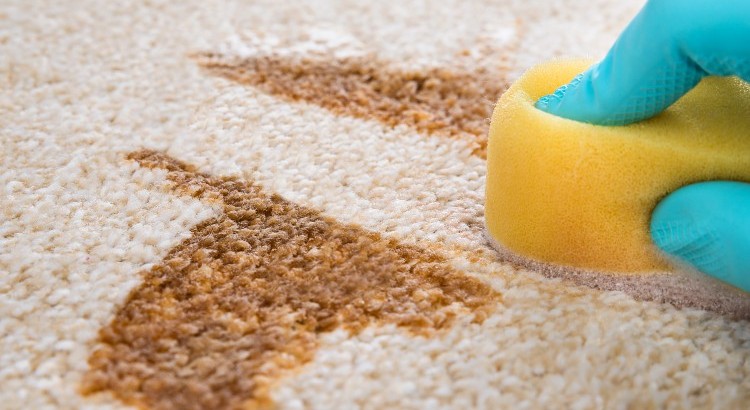
The difference between a spill that leaves a permanent mark and one that comes out completely often comes down to how quickly you respond. Most liquid spills haven't bonded to carpet fibers in the first few minutes — they're sitting on top of and between them. That's the window when they're easiest to remove.
The fundamental rule: blot, don't rub. Rubbing a spill spreads it and forces it deeper into the fibers. Blotting with a clean cloth (working from the outside of the spill inward) picks up the liquid without spreading it. Use cold water for most spills — hot water can set certain stains, particularly protein-based ones like blood or eggs.
Beyond that, different spills require different approaches. Coffee responds well to dish soap and water. Pet accidents need an enzyme-based cleaner to address both the stain and the odor. Grease-based stains need something that cuts grease — dish soap works, or a dry-cleaning solvent. Our stain removal guide covers the specific approaches for the most common household spills in more detail.
High-Traffic Areas
The areas that see the most foot traffic — hallways, the path from the front door to main living areas, spots in front of sofas and chairs — wear at a different rate than the rest of the carpet. They also soil faster, since more feet bring in more material.
It's worth paying specific attention to these areas in your vacuuming routine. They'll also benefit from more frequent professional cleaning than lower-use areas. Some people use area rugs over high-traffic carpet zones, which distributes wear more evenly and protects the carpet underneath — and area rugs are easier to clean or replace than wall-to-wall carpet.
Entry Points
A significant portion of the soil in your carpet was walked in from outside. Doormats at entry points — both outside and inside the door — can meaningfully reduce what gets tracked in, especially on wet or muddy days. A no-shoes policy on carpet takes this further, though it's not practical for every household.
Wiping pets' paws before they come in from outside is another simple habit that makes a real difference over time, particularly if your dog goes through mud or wet grass.
Professional Cleaning Intervals
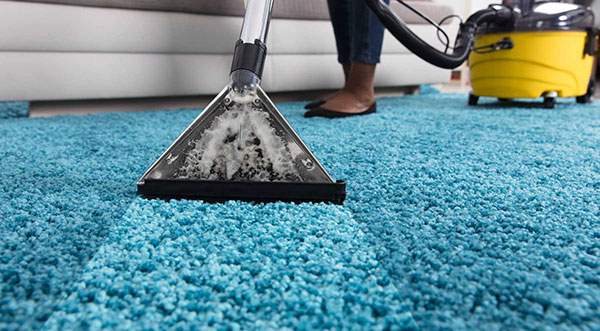
Regular vacuuming maintains carpet between professional cleanings, but it doesn't replace them. Hot water extraction — the primary professional cleaning method — removes things that vacuuming can't: deeply embedded soil, oils from skin and cooking, allergens trapped in fibers, and bacteria and dust mites that live below the surface.
For most households, professional cleaning once a year is a reasonable starting point. Homes with pets or children, or where someone has allergies or respiratory sensitivities, generally benefit from cleaning every 6–12 months. Carpets in lower-use areas can usually go 18–24 months between professional cleanings without significant deterioration.
One practical consideration: many carpet warranties require periodic professional cleaning to remain valid. It's worth checking your carpet documentation if you're not sure.
What to Avoid
A few common habits that actually make things harder over time:
- Over-wetting during DIY cleaning. Using too much water or cleaning solution and not extracting it fully leaves residue in the fibers that attracts new soil quickly. Wet carpet padding can also develop mold. If you use a rental carpet cleaning machine, err on the side of less solution, more extraction passes.
- Scrubbing stains. Scrubbing a stain doesn't help — it spreads and sets it. Blot only, and work from the outside in.
- Using the wrong product. Not all cleaning products are safe for all carpet types. Some cause discoloration or fiber damage, particularly on natural fibers like wool. When in doubt, test in an inconspicuous area first.
- Waiting too long between vacuuming. Once soil compresses into carpet fibers through foot traffic, it's significantly harder to remove. Staying ahead of buildup is easier than addressing heavy accumulation.
A Simple Maintenance Routine
Keeping carpet in good shape doesn't require a complicated system. A simple routine that most households can realistically maintain:
- Vacuum main living areas once or twice a week, and bedrooms weekly
- Vacuum high-traffic areas an additional time or two per week
- Address spills immediately with the correct approach for the spill type
- Use mats at entry points and clean or replace them regularly
- Schedule a professional cleaning once a year, or every 6 months if you have pets or allergy sensitivities
None of this is complicated — the challenge is consistency. But carpets that are maintained consistently wear better, look better for longer, and contribute to a healthier indoor environment. That's a return worth the relatively modest effort involved.
If you're in the Lauderhill or Sunrise area and want to discuss scheduling a professional cleaning, we're happy to answer questions about what would be appropriate for your home. You can reach us at our contact page or call us directly at +1 214-785-6132.